Iceland · Northern lights · Elopement guide
Northern Lights Elopement in Iceland
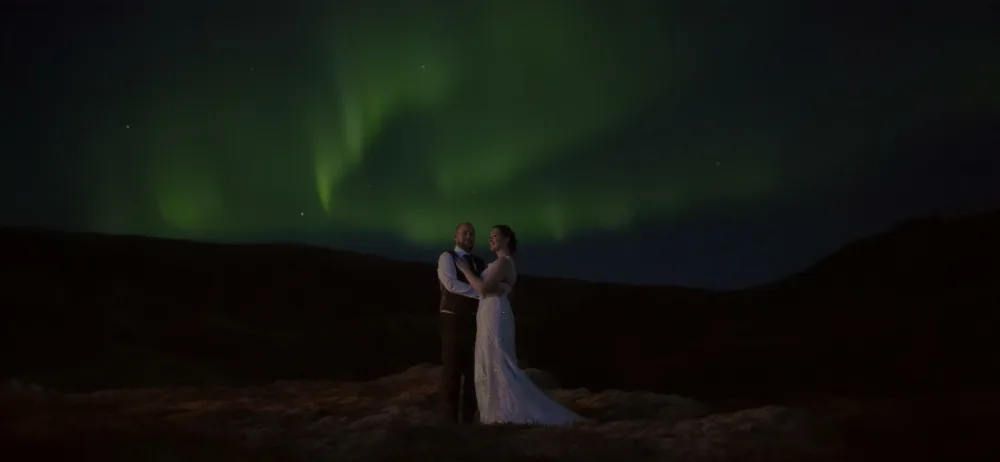
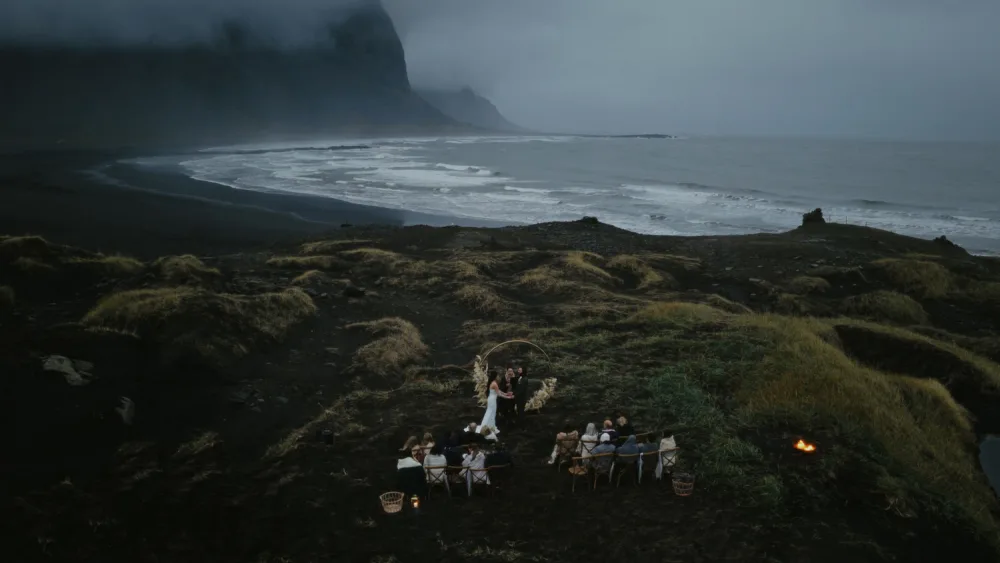
Many couples dream of saying their vows under the northern lights. I have watched the aurora dance over the dunes at Vestrahorn, over Snæfellsnes and over the South Coast at the end of wedding days – and each time it felt like a gift. The honest truth is that nobody can promise you the northern lights. But you can plan your elopement so that, if they come, you are in the right place and the moment is not missed.
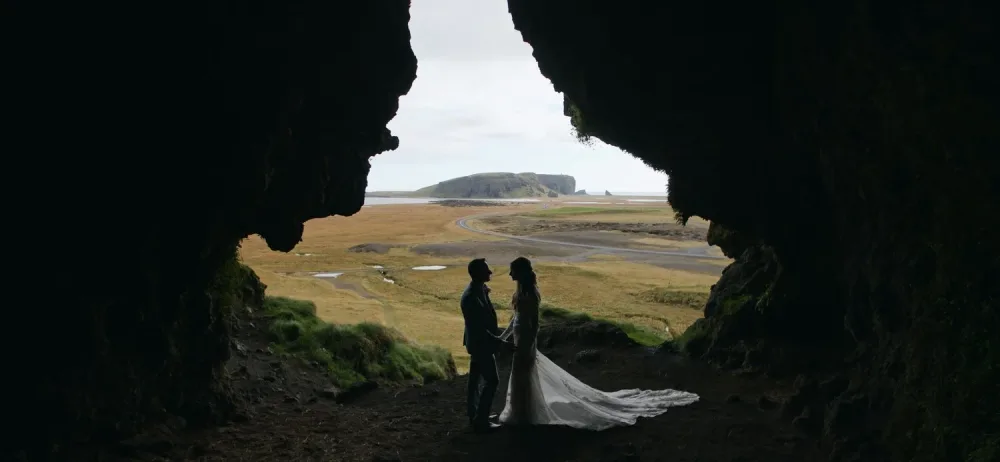
- Season
- From late August or September to early April
- Time of night
- Most often between about 10 pm and 2 am
- You need
- Darkness, clear skies and some solar activity
- Good to know
- Never guaranteed – plan the wedding for daylight, the aurora as a bonus
When and where to see them
The northern lights are there all year, but you can only see them when the sky is dark – so from late August or September to early April. They are often strongest around the equinoxes in September and March, and most active around midnight and a few hours either side. In summer the nights are simply too bright.
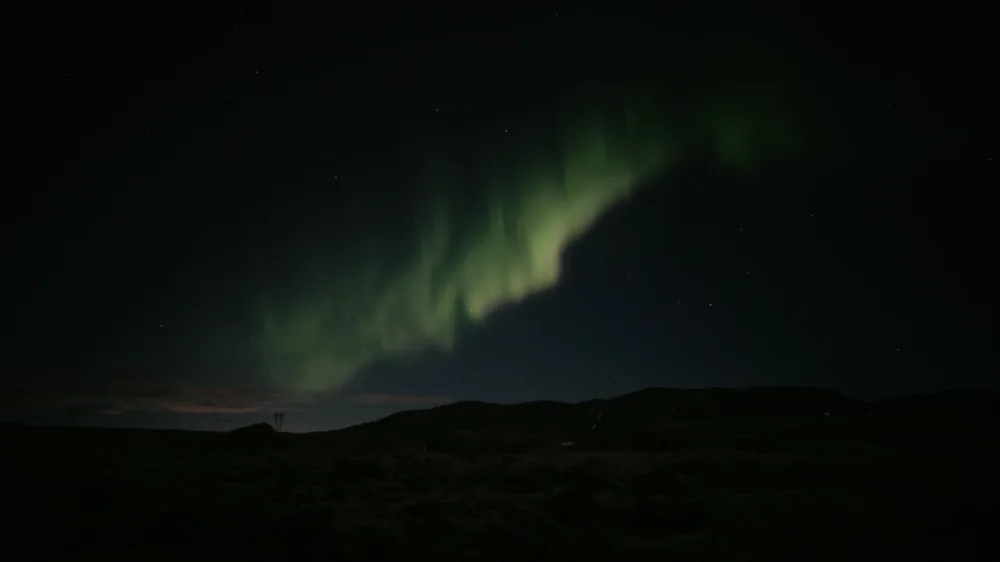
You need clear skies, or at least gaps in the clouds, and you need to get away from city lights. In Reykjavík the aurora can be seen on strong nights from dark spots like the Grótta lighthouse, but out in the countryside your chances are much better. That is why I suggest couples stay somewhere rural on their wedding night – by the South Coast, on Snæfellsnes, near Þingvellir or in the south-east – where you can simply step outside.
The forecast
The Icelandic Met Office publishes an aurora forecast on vedur.is for six days ahead, with a cloud cover map and an activity scale from 0 to 9. Even a low number can bring a beautiful show if the sky is clear, so the cloud map is often the more useful part. Solar activity peaked around 2024–2025, and the years just after the peak can still bring strong storms.
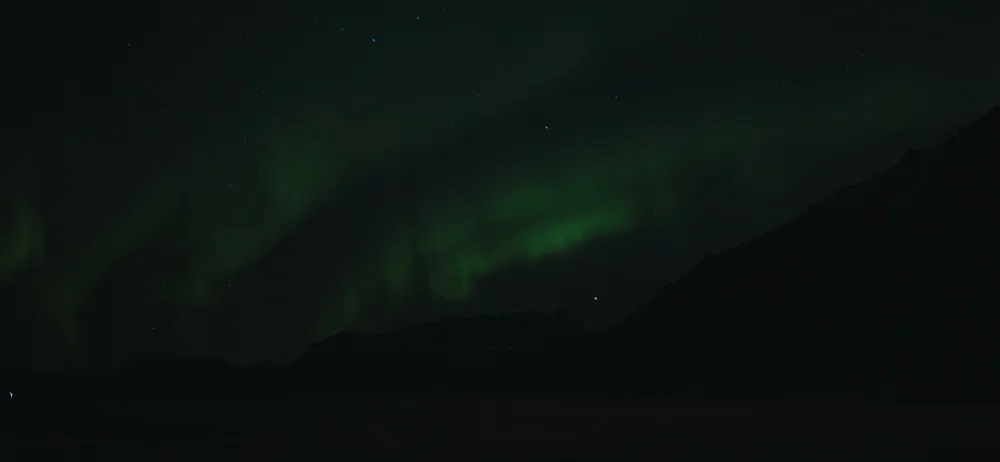
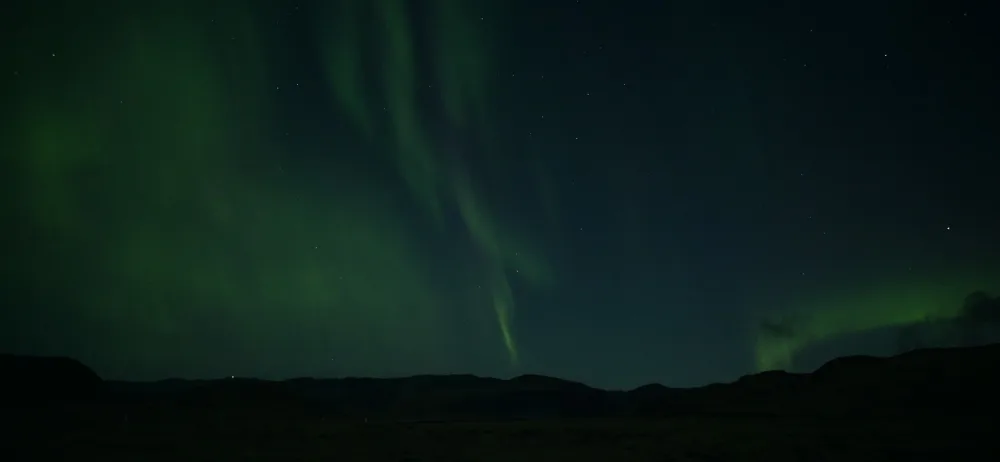
How I plan for the aurora
- Ceremony in daylight: I plan the ceremony and portraits for the daytime, when the light is reliable. The northern lights are a bonus at the end of the day.
- Stay near the location: after dinner we keep an eye on the sky and the forecast. If the aurora appears, we go out for twenty minutes in our coats – no long drive needed.
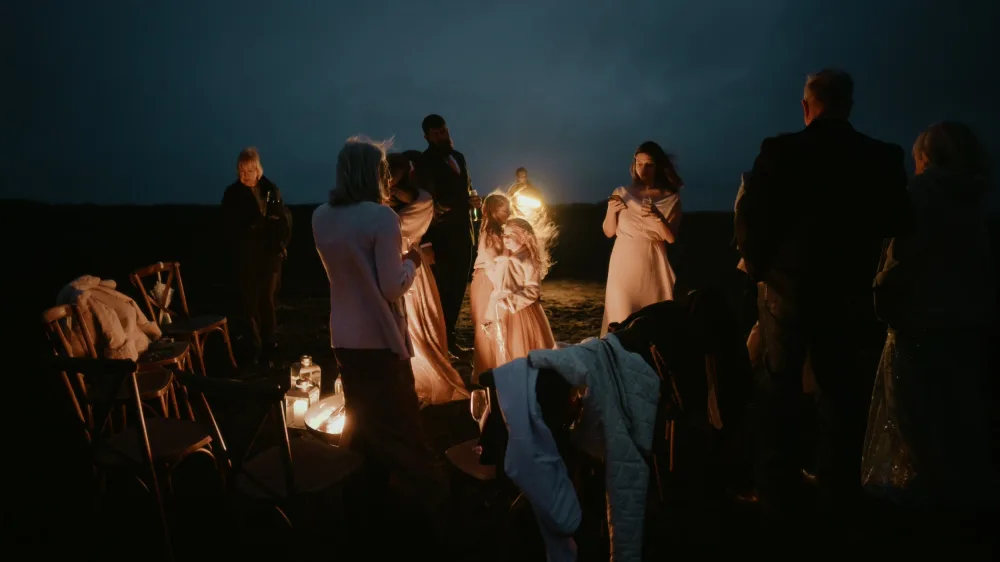
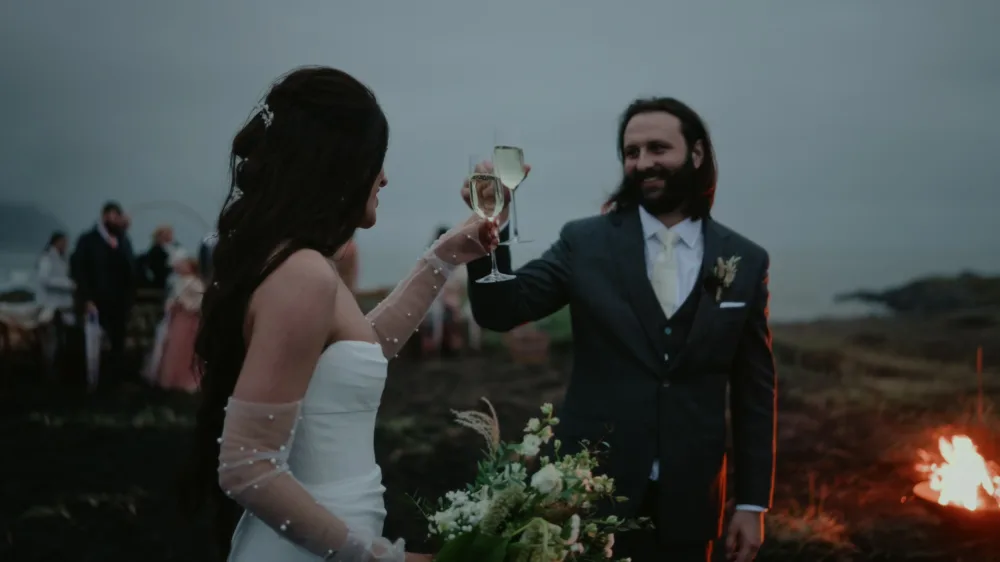
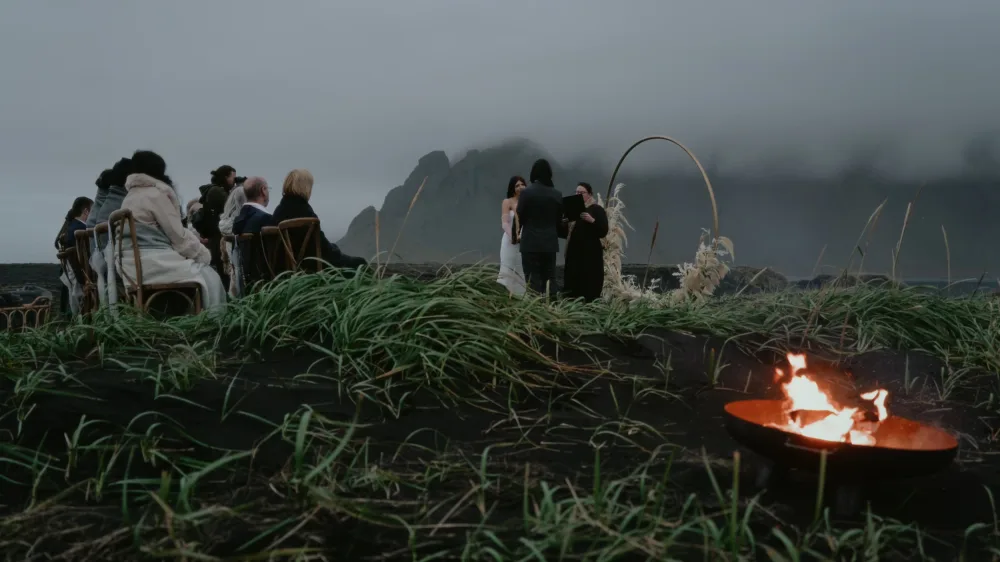
- Fire and warmth: a fire pit, blankets and hot drinks make waiting outside in the dark a lovely part of the evening.
- Season: for both daylight and dark nights, September–October and February–March are a good balance.
Filming the northern lights
The aurora is much fainter to the camera than it looks in photographs, which are long exposures of several seconds. For film I use fast lenses and cameras that see well in the dark, a tripod, and time-lapses for the movement of the lights. The two of you need to stand still for a few seconds for the sharpest shots – a moment that couples usually remember as the most magical of the whole day.
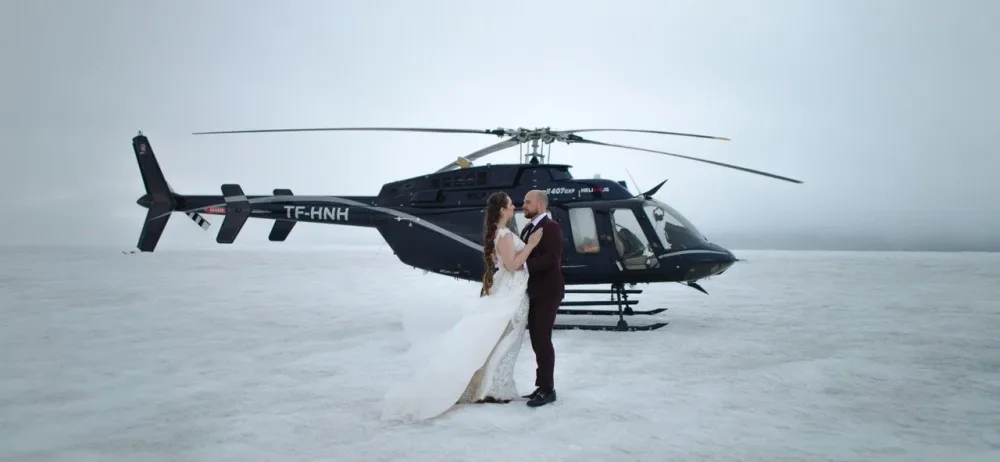
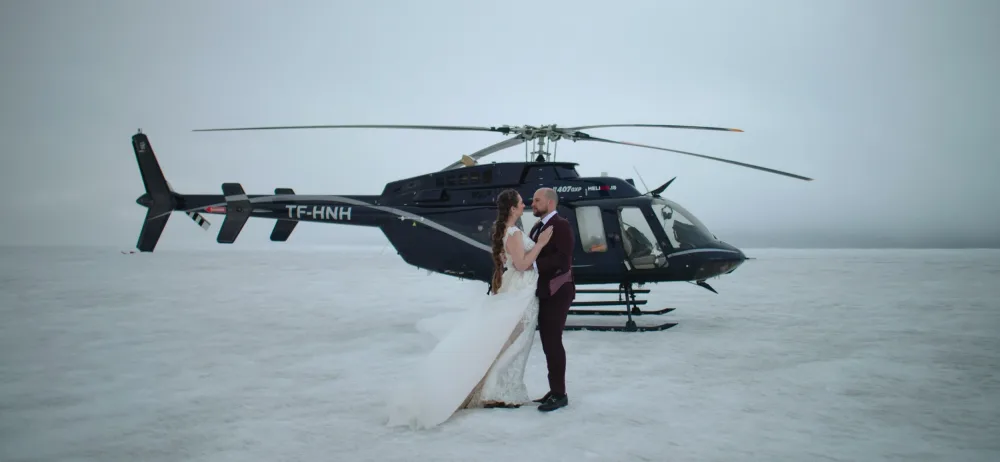
Jasmine and Aaron’s wedding day began with a helicopter flight and ended under the aurora near Þingvellir; Anna and John saw it over Vestrahorn after their ceremony by the fire. Their films, and more ideas for a winter elopement, are in my guides to winter elopements, Vestrahorn and helicopter elopements.
Planning your elopement under the northern lights?
Tell me your date and place – I’ll let you know if I’m free.
Check your dateQuestions about northern lights elopements
Can you guarantee the northern lights on our wedding day?
When is the northern lights season in Iceland?
How do we know if the northern lights will appear?
More places to get married in Iceland
All the best places to elope in Iceland · How to elope in Iceland