Iceland · Planning guide
Getting Legally Married in Iceland
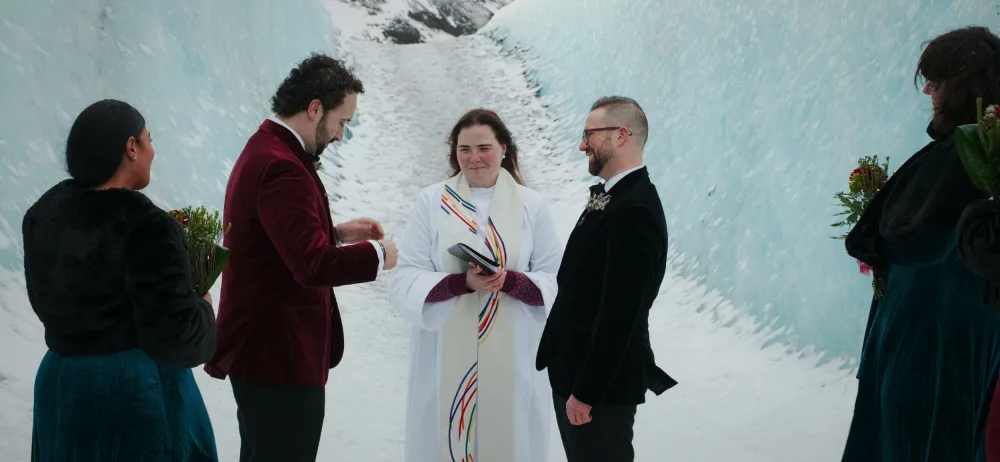
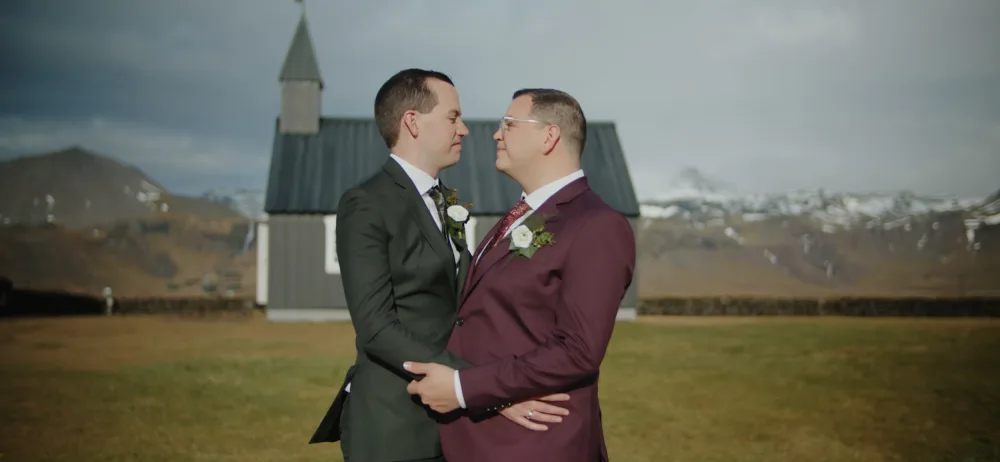
Yes, you can get legally married in Iceland even if neither of you lives here – on a glacier, by a waterfall or in a little black church. The paperwork is simpler than most couples expect, but it has a few deadlines that catch people out. This is what I have learned from more than a hundred weddings and elopements in Iceland, checked against the official rules on island.is. It is a guide, not legal advice, so always confirm the details with the District Commissioner.
- Who can marry
- Anyone over 18 who is free to marry – residents or not, same-sex or opposite-sex
- Where to apply
- District Commissioner (Sýslumenn), by email to gifting@syslumenn.is if you have no Icelandic ID number
- Key deadline
- The wedding must take place within 30 days of the certificate of no impediment
- Witnesses
- Two, who sign the application – they do not have to attend
Who can marry in Iceland
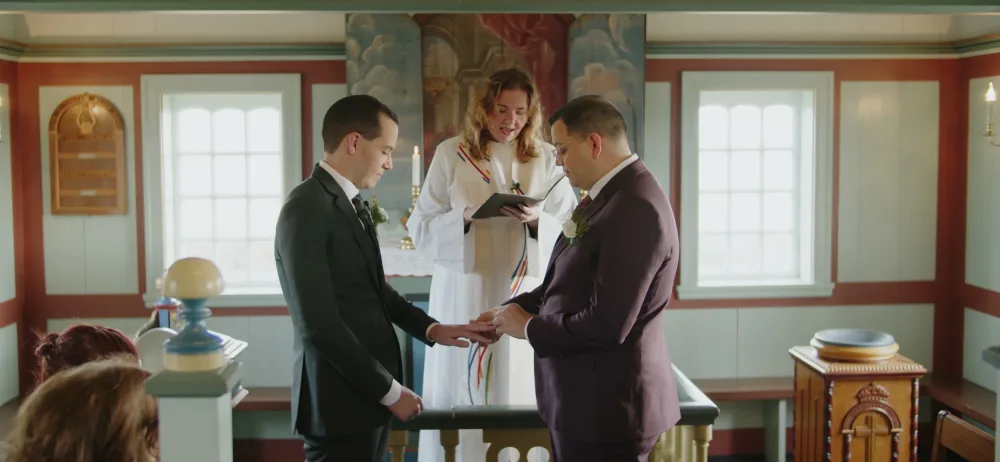
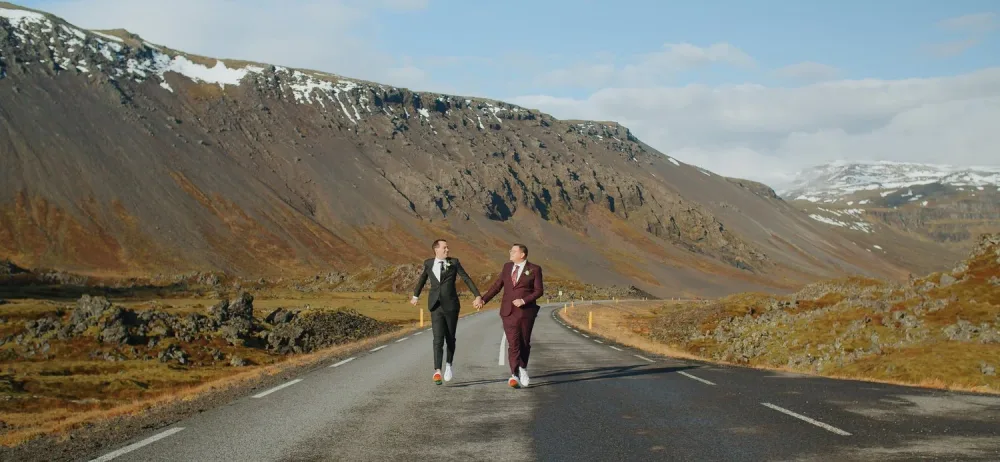
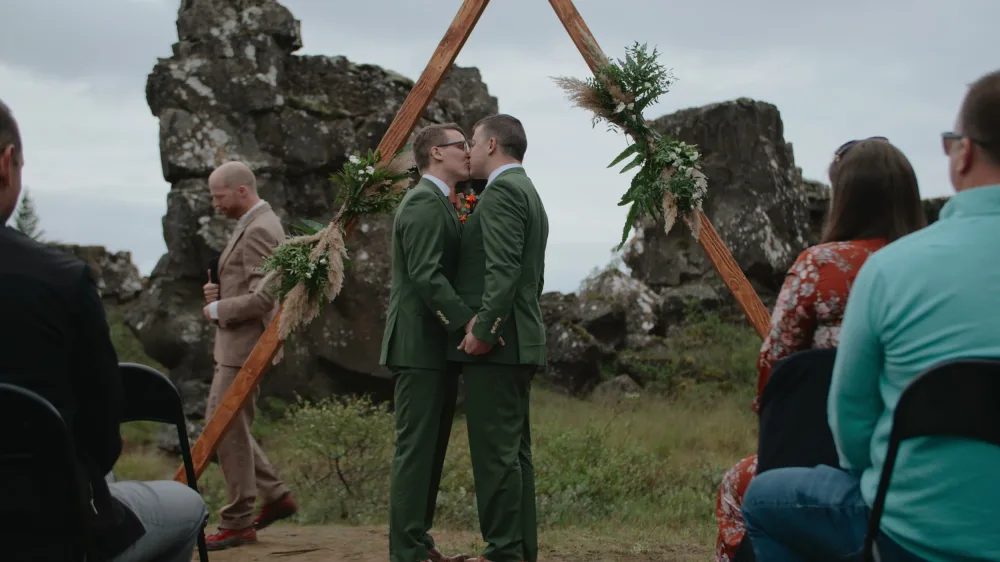
Both of you must be at least 18 and free to marry: a previous marriage has to be formally ended by divorce. You do not need to live in Iceland or speak Icelandic. Iceland has had a gender-neutral marriage law since 27 June 2010, so same-sex couples marry under exactly the same rules – and the Church of Iceland has allowed same-sex weddings in its churches since 2015. More about LGBTQ+ weddings in Iceland.
Who can marry you
There are three kinds of officiant, and all of them perform legally binding weddings:
- The District Commissioner (Sýslumaður) – a civil ceremony. The standard one is at their office during opening hours; a ceremony somewhere else or after hours can be requested, and each office decides whether it can do it.
- A minister of the Church of Iceland or of another registered religious organisation – for a church wedding. Individual churches have their own rules; Hallgrímskirkja in Reykjavík, for example, requires one of you to be a member of the National Church.
- A celebrant of a registered life-stance organisation such as Siðmennt (the Icelandic humanists) or Ásatrúarfélagið (the old Norse faith). Siðmennt weddings have been legally valid since 2013, you do not need to be a member, and their celebrants marry couples by waterfalls, on beaches and in summer houses.
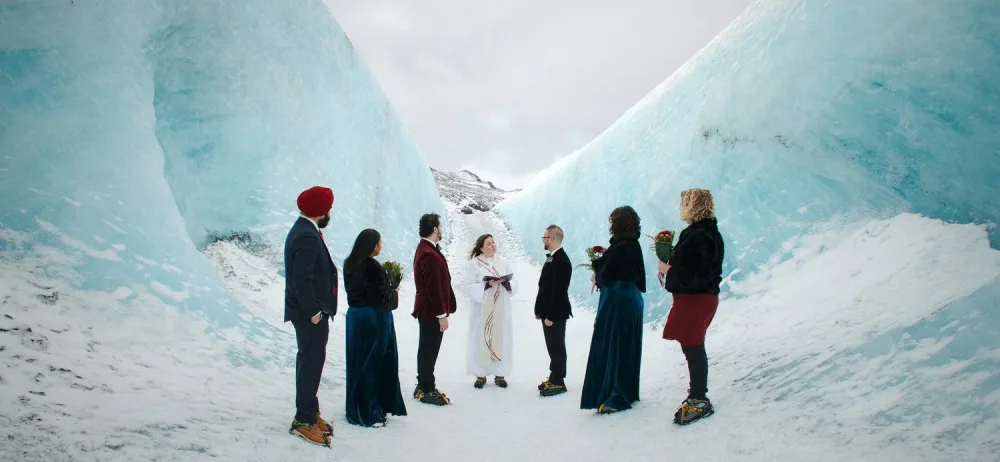
The date on your application does not book anything – you agree the time and place directly with your officiant. For an elopement out in the landscape, a humanist or Ásatrú celebrant is the most common choice, because they are used to hiking to a glacier or a cliff edge with you.
The documents
Each of you needs:
- a birth certificate,
- a certificate of marital status from the country where your legal address is registered, no more than 12 weeks old when you submit it,
- your passport (a notarised copy if you send the papers by post),
- if you were married before, the divorce papers (or the papers settling the estate if you are widowed).
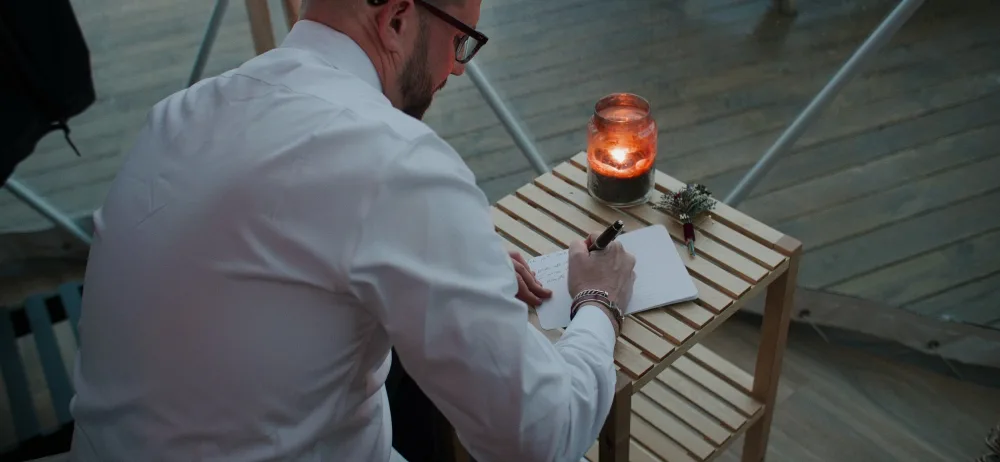
Foreign documents have to be originals and legalised – with an apostille, or legalised by an embassy if your country is not part of the Apostille Convention. Documents in English or a Nordic language need no translation; anything else needs a certified translation. Some countries have their own agreements with Iceland, so check with your local authority which form of legalisation you need. Two witnesses then confirm on the application that there is no impediment to your marriage. They sign the form but do not need to come to the wedding.
How and when to apply
Couples with an Icelandic ID number apply online at island.is. Everyone else sends the application form and the documents to the District Commissioners at gifting@syslumenn.is. The office checks everything and issues a certificate of no impediment – and from that day you have 30 days to get married. Processing times vary and island.is gives no fixed number of weeks, so start early: order your certificates about three months ahead, get them apostilled, and agree the timing with the District Commissioner’s office so that your marital status certificate is no older than 12 weeks when you send it and the certificate of no impediment falls within 30 days of your date.
What it costs (2026)
The official fees are modest:
- certificate of no impediment: ISK 6,700,
- civil ceremony at the District Commissioner’s office during opening hours: ISK 15,400,
- a civil ceremony elsewhere or after hours: ISK 10,000 for every started hour of the officiant’s time, plus travel,
- a Siðmennt humanist ceremony: ISK 90,000 in 2026, plus ISK 201 per kilometre outside Reykjavík (more on F-roads and public holidays),
- an Icelandic marriage certificate from Registers Iceland: ISK 3,200, and an apostille on it for use at home: ISK 2,700.
Fees change every year – the current ones are on island.is and on the officiant’s own website. For the whole budget, including permits for national parks, see what an elopement in Iceland costs.
After the wedding
After a civil ceremony the District Commissioner notifies Registers Iceland (Þjóðskrá), which then issues your marriage certificate. To register the marriage in your home country you will usually need the Icelandic marriage certificate with an apostille from the Ministry for Foreign Affairs, which is normally done on the spot at the District Commissioner’s office in Kópavogur or by email. Ask your own registry office what they need before you travel.
Or keep it symbolic
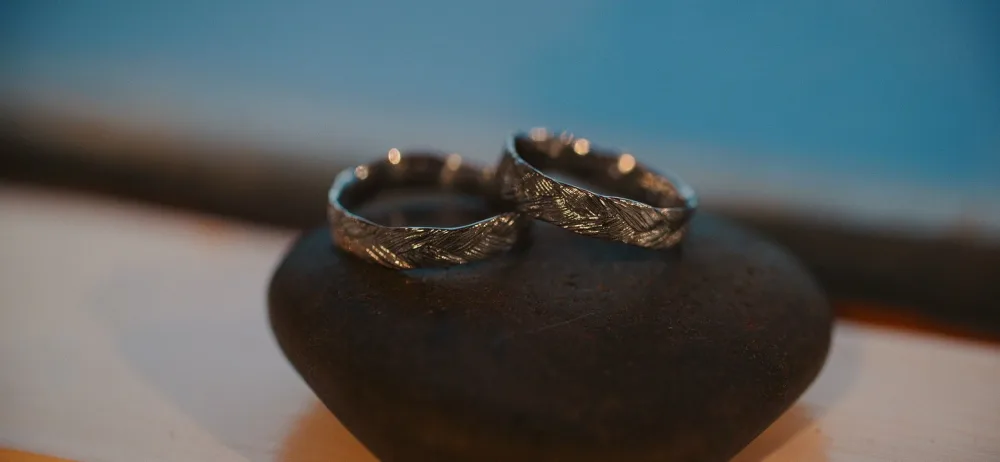
Many of my couples sign the papers quietly at home and have a symbolic ceremony in Iceland – no deadlines, no apostilles, and the freedom to say your vows wherever and whenever the light is best. Siðmennt also performs symbolic ceremonies and vow renewals. Either way, the day feels exactly the same. When you know your date, have a look at how to elope in Iceland and the best places to elope.
Planning your elopement in Iceland?
Tell me your date and place – I’ll let you know if I’m free.
Check your dateQuestions about getting married in Iceland
Can foreigners get legally married in Iceland?
What documents do we need to marry in Iceland?
How far in advance do we need to apply?
Can we get legally married outdoors in Iceland?
How much does it cost to get married in Iceland?
Is same-sex marriage legal in Iceland?
More places to get married in Iceland
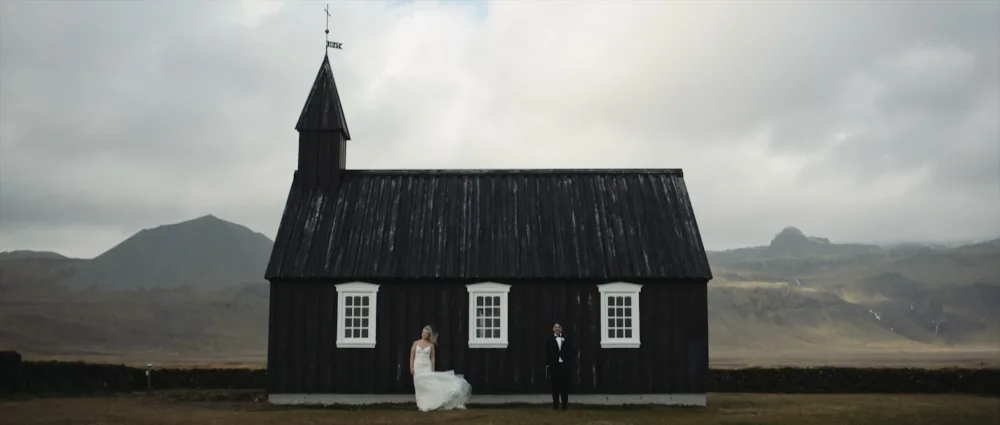
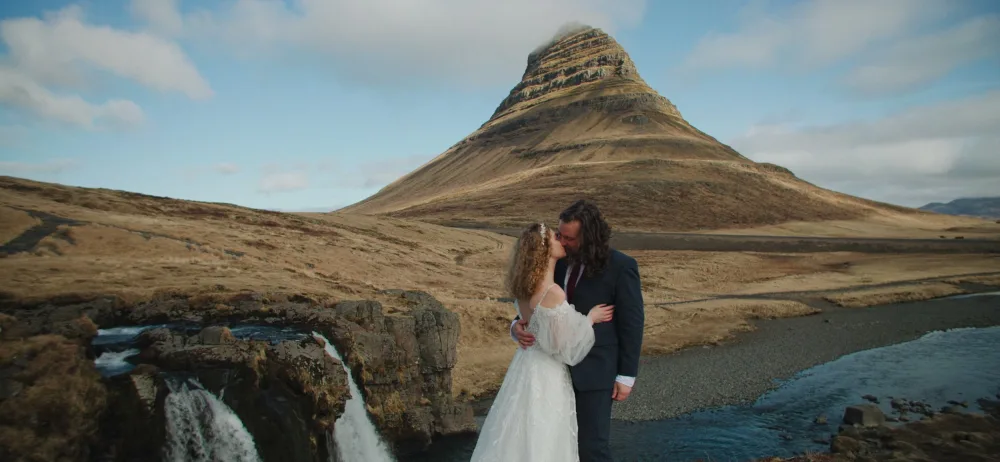

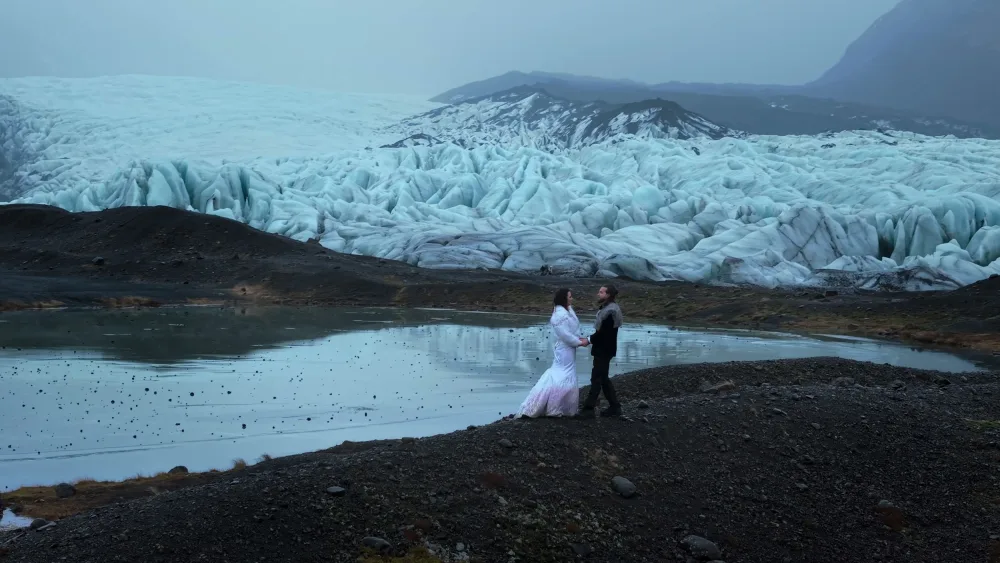
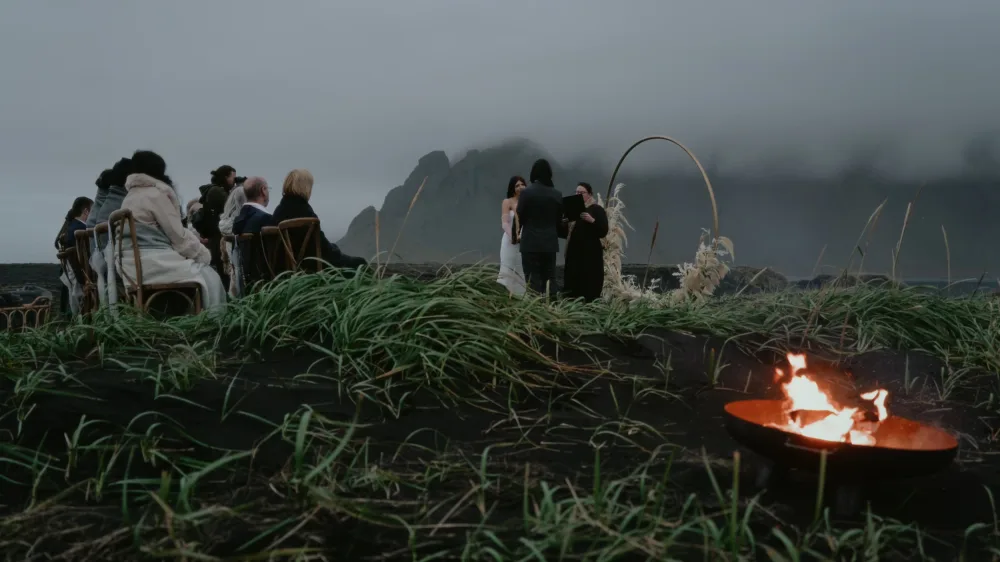


All the best places to elope in Iceland · How to elope in Iceland · Getting legally married in Iceland · What an Iceland elopement costs
Planning your day here? I am an Iceland elopement and wedding videographer – read what couples say about their films.